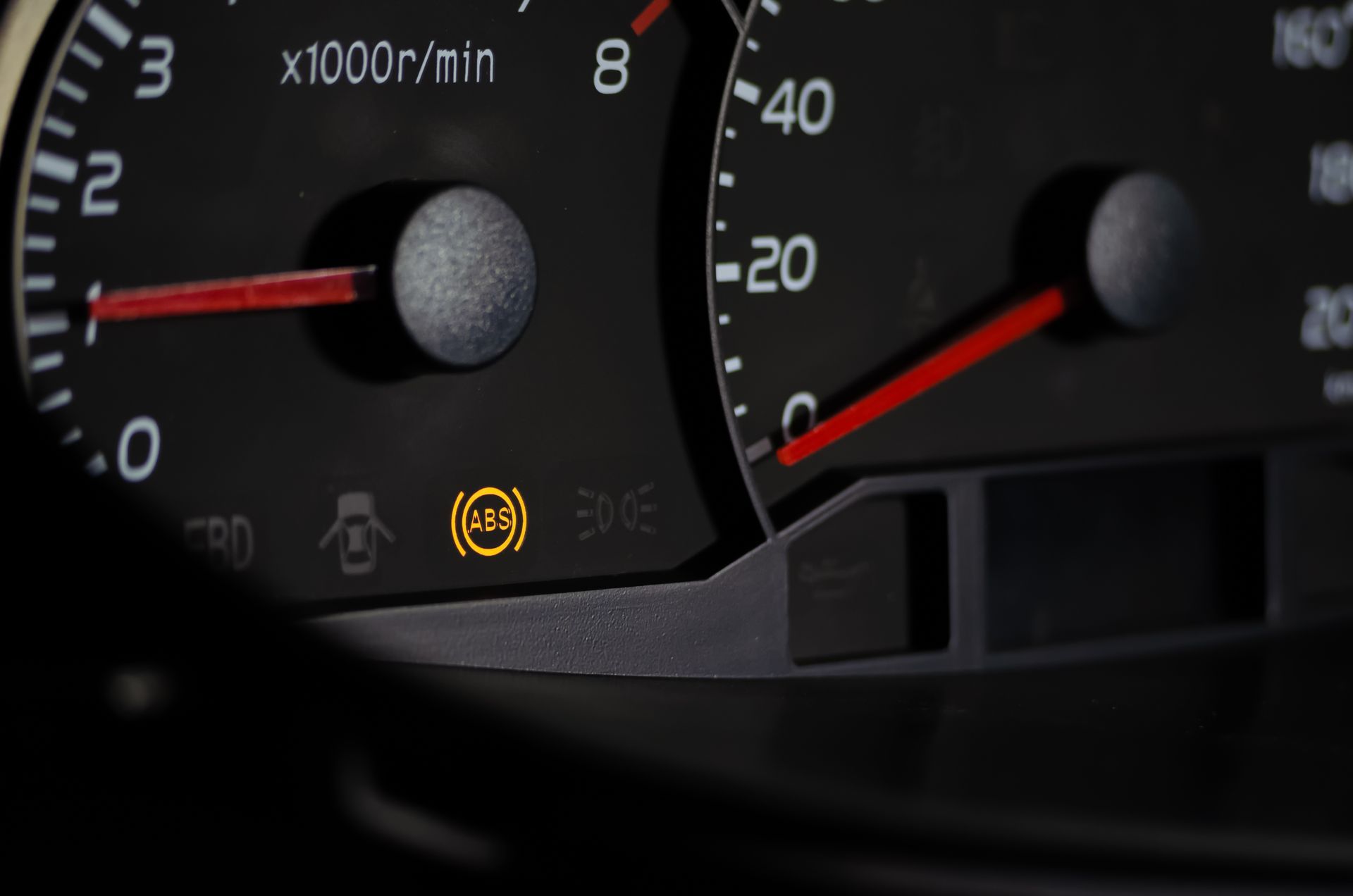
The ABS light is one of those warnings that can make you second-guess every stop. Your brakes still work, so it’s tempting to shrug it off and keep driving like normal. The problem is that ABS is the system that helps you keep steering control during hard braking, especially on slick roads or during an emergency stop.
If the light is on, you may be missing that safety net when you need it most.
What The ABS Light Means And What It Does Not
ABS stands for anti-lock braking system. When the ABS light comes on, it usually means the system has detected a fault and may be disabled. That does not automatically mean you have no brakes. In most vehicles, you still have normal braking, meaning you can slow and stop the car with the brake pedal.
What you may not have is ABS intervention during a hard stop. ABS is what prevents the wheels from locking up and helps you maintain steering control when traction is limited. So the question isn’t only can you stop, it’s how controlled that stop will be if you have to brake hard.
What Changes When ABS Is Not Available
On dry roads with gentle braking, you might not notice a difference at all. The light can be on for days, and the car can feel completely normal. The difference shows up when traction drops or when you need a sudden, hard stop.
Without ABS, a hard brake application can lock the wheels. When wheels lock, the car can slide instead of rolling, and steering control becomes limited. That’s when stopping distance can increase, and the vehicle can drift straight even if you’re turning the wheel. If you drive in rain, on cold mornings, or on sandy or loose surfaces, the risk goes up because traction can change quickly.
Common Reasons The ABS Light Comes On
Wheel speed sensor issues are one of the most common causes. The system relies on sensors at each wheel to know what’s spinning and what isn’t. If a sensor is dirty, damaged, or has a wiring issue, the computer may shut off the ABS because it can’t trust the data.
Low brake fluid can also trigger warnings in some vehicles, and it’s something you never want to ignore because brake fluid does not vanish on its own. Other causes include corroded tone rings, hub bearing play that affects sensor readings, and module or pump issues. We also see ABS lights show up after battery voltage problems, especially if the vehicle had a weak battery event that caused modules to act strangely.
How To Tell If It’s Safe To Keep Driving Today
If the ABS light is the only light on and the brake pedal feels normal, you can often drive short distances cautiously while you schedule service. Give yourself extra following distance, avoid aggressive speeds, and remember you may not have ABS help if you need to panic stop.
If the ABS light is on along with a red brake warning light, a brake system message, or you notice changes like a soft pedal, a sinking pedal, grinding noises, or pulling while braking, move it up the priority list and reduce driving. Those symptoms point to more than an ABS fault, and that can affect basic braking performance.
A practical way to think about it is this: if the car brakes normally and predictably, you can usually get it to the shop safely. If the braking feel is changing or inconsistent, it’s not worth pushing your luck in traffic.
Mistakes That Make The ABS Problem Worse
One common mistake is ignoring it until tire rotation time. If the issue is a wheel speed sensor or bearing play, it can worsen and sometimes lead to uneven braking in slippery conditions. Another mistake is clearing warning lights immediately. That can erase stored information that helps pinpoint what triggered the fault.
We also see drivers replace a sensor based on a guess because a generic code mentions a wheel. That can backfire if the real issue is wiring damage, corrosion at a connector, or a hub problem causing an inconsistent signal. It’s usually cheaper to confirm the cause once than to buy parts until something changes.
What A Proper ABS Check Looks Like
A solid ABS check starts with verifying what the system is complaining about, then proving it. That usually means reading stored fault information, reviewing wheel-speed data, and inspecting the sensors and wiring at the wheels. A quick visual check matters too because broken clips, stretched wiring, and corrosion are easy to miss if you only look at a screen.
From there, it’s about confirming the fix before sending the car out. We’ve seen cases where the light turns off temporarily, then comes back on the next time it rains or the next time the suspension moves a certain way. The goal is a repair that stays repaired, not a light that happens to go away.
Get ABS Diagnostics in Lawrence, KS with GenAuto
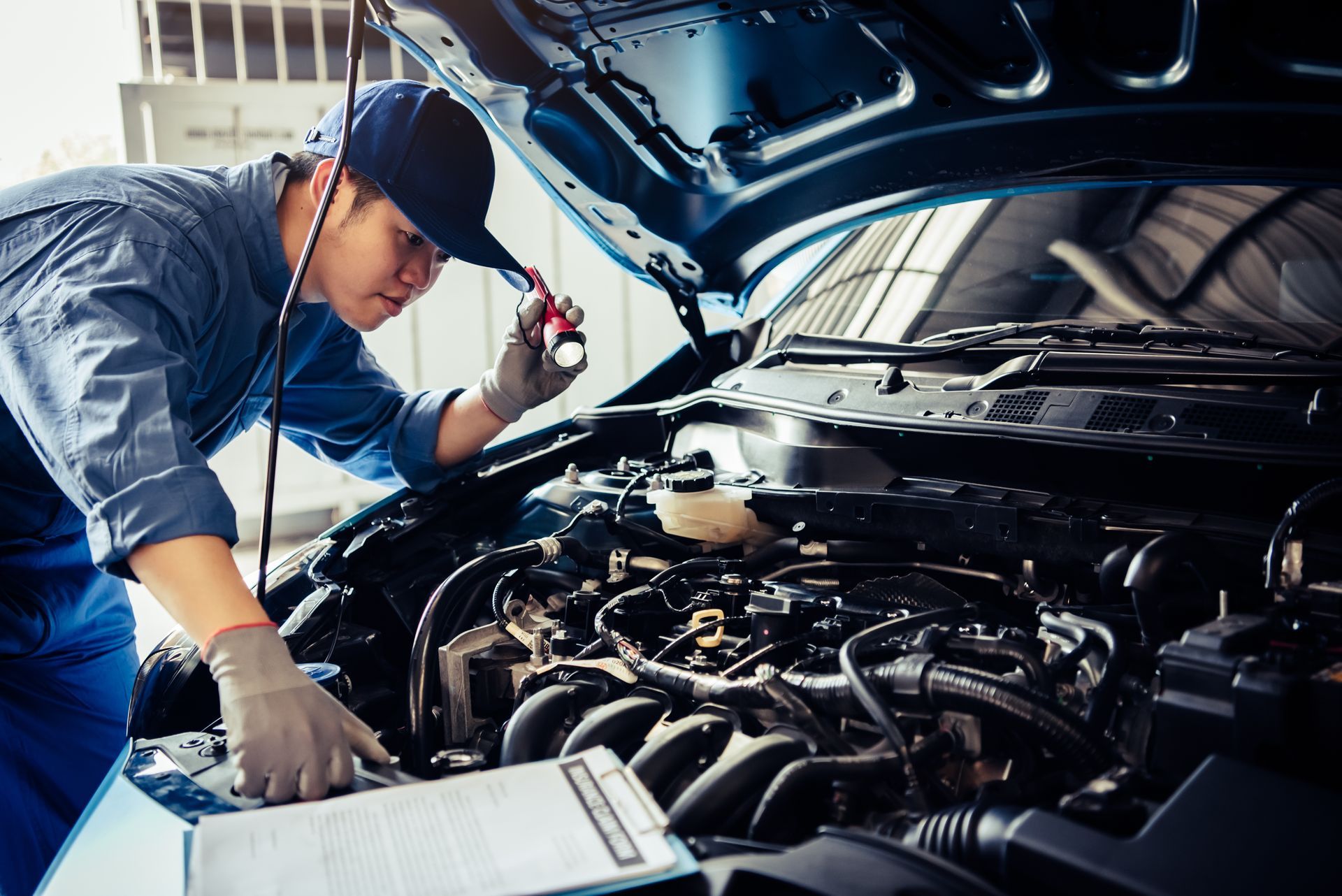
If your ABS light is on, it’s worth finding out whether it’s a simple sensor issue or something deeper in the braking system. We can inspect the sensors and wiring, verify brake fluid level and condition, and confirm what the system is actually seeing before any parts get replaced.
Schedule a visit with
GenAuto in Lawrence, KS, and we’ll help you get back to confident braking with the safety systems working the way they should.