Winter driving in Kansas doesn’t just test drivers, it also puts extra stress on vehicles. Cold temperatures, short trips, road conditions, and daily wear can cause issues to surface that aren’t always obvious right away.
February is often when drivers start noticing changes in how their car feels, sounds, or performs. Paying attention to those small signals can help prevent bigger repairs later.
Cold Weather Can Change How Your Car Behaves
When temperatures drop, vehicles don’t always respond the same way they do during warmer months. Batteries work harder, fluids move more slowly, and engines may take longer to warm up. You might notice slower starts, rough idling, or warning lights that weren’t there before.
These changes don’t always mean something is seriously wrong, but they are often signs that it’s time to have things checked before problems escalate.
Warning Lights Shouldn’t Be Ignored
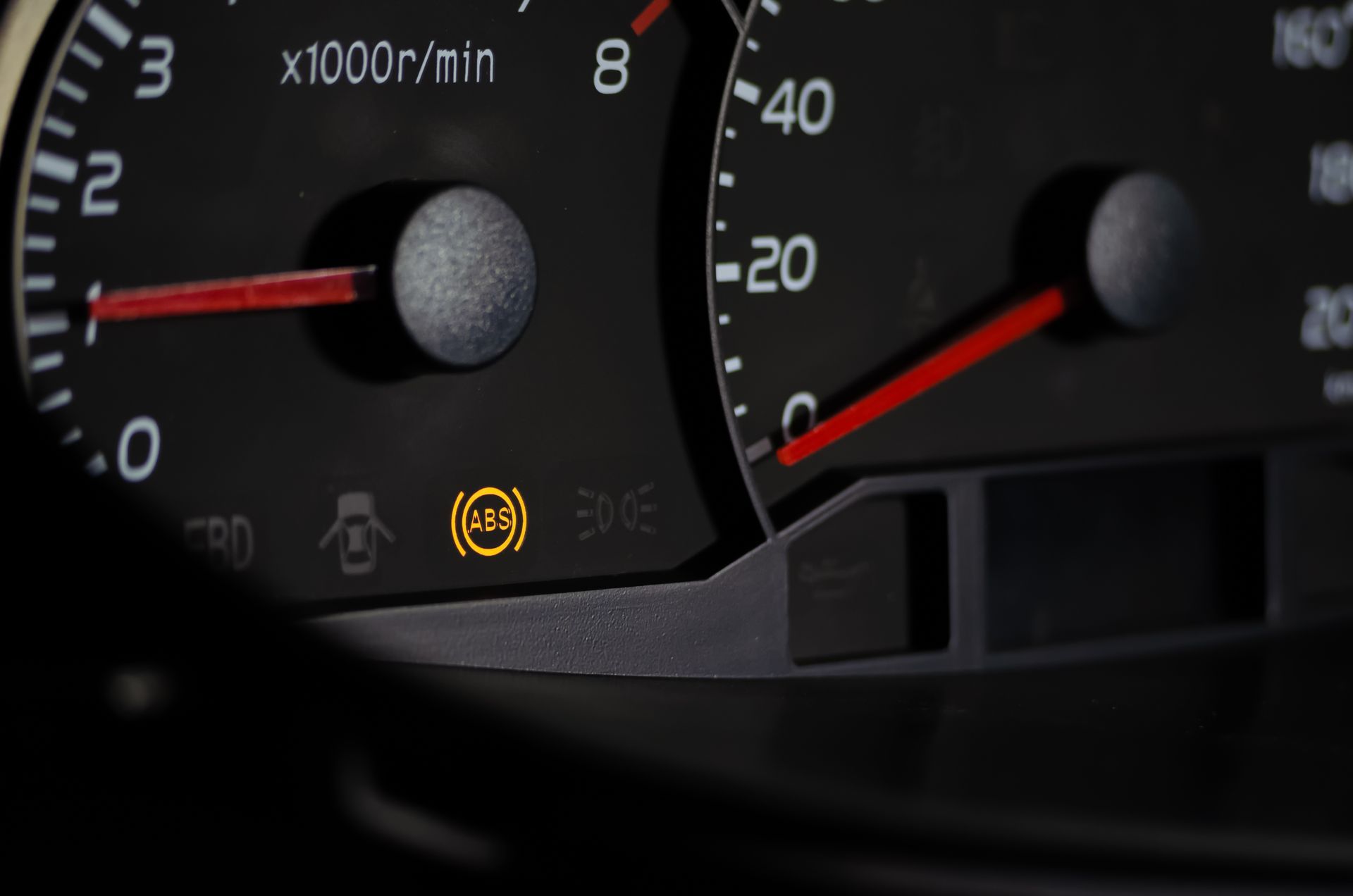
Not every dashboard light means you need to pull over immediately, but none of them should be ignored completely. Warning lights are designed to alert drivers when something needs attention, even if the vehicle still seems to drive normally.
Since most drivers don’t know which lights can wait and which ones can’t, having them checked sooner rather than later is the safest approach.
Brake Feel Matters More Than Noise
Many drivers wait for brake noise before having their brakes inspected, but changes in how the brake pedal feels can be just as important. Vibration, pulling, or a softer pedal can be early indicators of brake wear or other issues.
Winter driving conditions can add extra strain to braking systems, making February a good time to pay attention to any changes.
Short Trips Can Be Hard on Your Vehicle
Cold-weather short trips, especially common during winter months, don’t always give your engine enough time to fully warm up. Over time, this can impact engine performance and fluid condition.
If your driving routine includes lots of short trips, it’s especially important to stay on top of maintenance and address small issues early.
Trust Your Instincts
One of the most common things drivers say is that their car “just doesn’t feel right.” That instinct is often the first sign something needs attention. Whether it’s a new smell, vibration, or warning light, noticing changes early usually leads to simpler and less stressful repairs.
Drive Confidently This Winter
Having a trusted local mechanic makes winter driving easier. Clear communication, accurate diagnostics, and quality repairs help ensure your vehicle stays safe and reliable through the rest of the season.
If your car is showing signs that something needs attention, February is a good time to address it before spring driving ramps up.