Most drivers notice when something feels off, but figuring out why is a different story. A warning light shows up, the engine runs a little rough, or fuel economy drops, and it is not always clear what is actually causing it. That is where engine diagnostics come into play.
A proper engine diagnostic does more than point to a general issue. It helps narrow things down so the repair is based on real data instead of assumptions.
What Engine Diagnostics Actually Look At
Modern vehicles track engine performance through a network of sensors. These sensors monitor things like air intake, fuel delivery, ignition timing, and exhaust output. When something moves outside its expected range, the system stores a fault.
An engine diagnostic reads the stored information and assesses the engine's behavior in real time. That gives a clearer picture of what is happening, not just what triggered a warning.
Why A Code Alone Does Not Tell The Whole Story
Many drivers think a fault code directly identifies the failed part. In reality, a code usually points to a system or condition, not a final answer. For example, a code related to fuel mixture does not automatically mean a fuel injector is bad.
That is why additional testing matters. A proper inspection checks sensor readings, wiring, and related components to confirm the cause, rather than replacing parts based on a single code.
How Diagnostics Help With Check Engine Light Issues
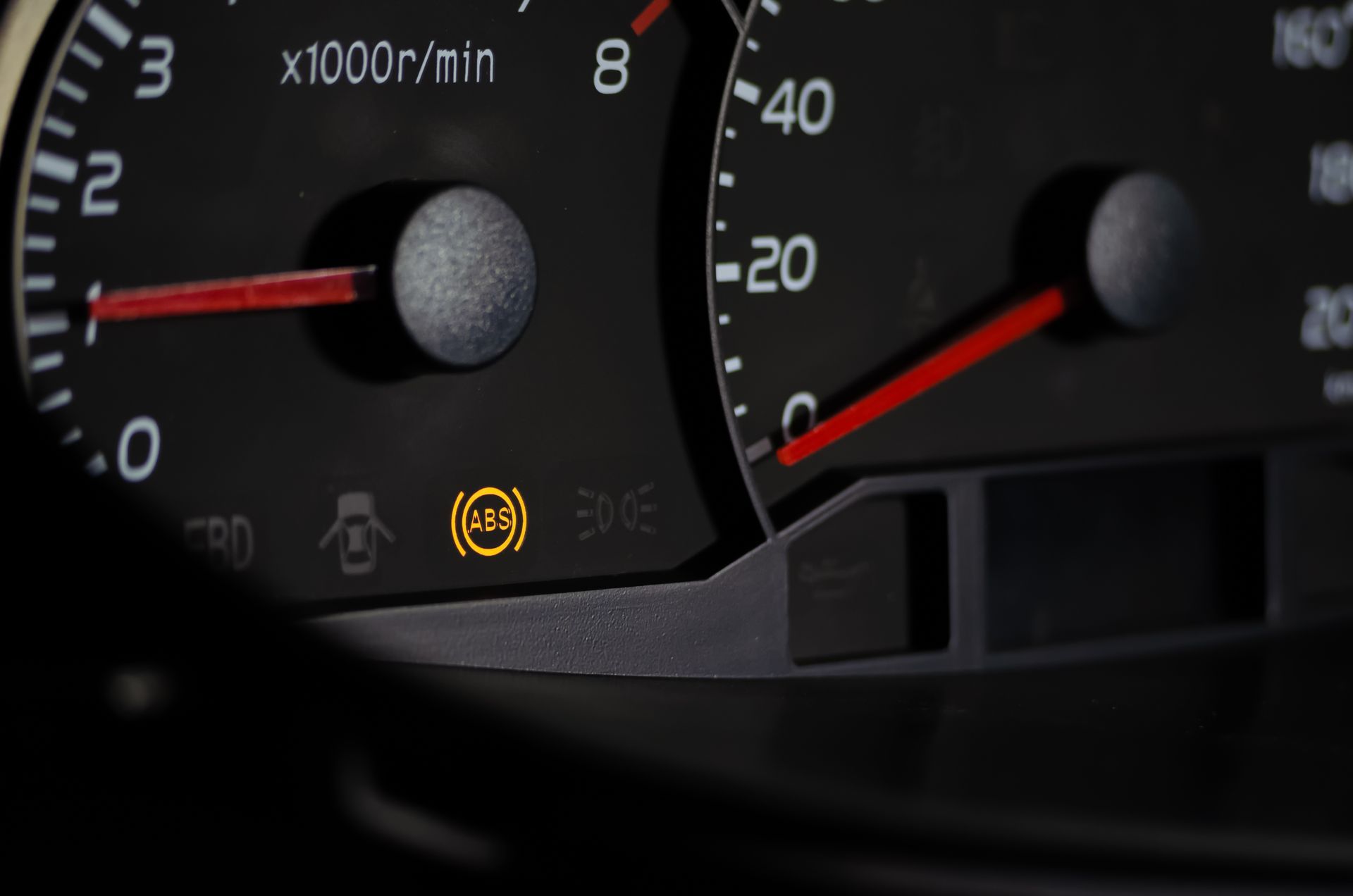
A check engine light is one of the most common reasons for diagnostic testing. The light itself only tells you something is out of range. It does not explain why.
Diagnostics help identify whether the issue is related to ignition, fuel delivery, airflow, emissions, or another system. That allows you to focus on the real cause rather than chasing symptoms.
What Diagnostics Can Reveal About Engine Performance
Even without a warning light, diagnostics can show how well the engine is running. Changes in fuel trims, airflow readings, or sensor responses can point to developing problems before they become obvious.
That can include issues like:
- Weak ignition performance
- Fuel delivery imbalance
- Air intake restrictions
- Early sensor drift
Catching those signs early can help keep the engine operating efficiently and prevent more noticeable problems later.
Why Drivability Problems Need More Than Guessing
Rough idle, hesitation, or reduced power can come from several different causes. Without diagnostics, it is easy to replace parts that are not actually failing.
Testing helps separate similar symptoms. A hesitation could be caused by ignition, fuel, or airflow issues, and each one requires a different approach. Diagnostics help narrow that down quickly.
How Diagnostics Help Prevent Bigger Repairs
Engine problems tend to build up over time. A minor issue with fuel delivery or ignition can affect other components if left unchecked. Diagnostics help catch those issues while they are still limited.
Regular maintenance combined with early inspection gives you a better chance of keeping repairs smaller. Waiting for a more obvious failure usually means the problem has already progressed.
When You Should Schedule Engine Diagnostics
If the check engine light is on, the engine feels different, or performance has changed, it is time for diagnostics because even small changes in how the car runs can point to something developing under the surface.
Bringing the vehicle in early helps identify the cause before it leads to more involved repairs. That is especially important with modern engines that rely heavily on electronic control.
Get Engine Diagnostics In Lawrence, KS, With GenAuto
If your engine is not running the way it should, or a warning light has started staying on, GenAuto in Lawrence, KS, can use diagnostic testing and inspection to determine what the vehicle is actually trying to tell you.
Clear answers now can keep the repair from becoming a guessing game later.