You back out of the driveway and the first time you hit the brakes, the pedal feels stiff instead of easy. A mile later it may feel normal again, which makes it tempting to shrug off. Most drivers notice it after the car sits overnight or after a cold start. A hard pedal is usually about brake assist, not worn pads.
If it keeps showing up, it's worth a closer look.
Hard Pedal In The Morning: What It Usually Means
A hard brake pedal usually means you're getting less power assist than you should. The brakes can still work, but it takes more leg effort, and stops feel less effortless. That's different from a soft pedal, which points more toward air or fluid compressing.
Mornings are when this becomes obvious because the vehicle has been sitting and the system has had time to bleed off reserve assist. If there's a small leak, you feel it right away on the first couple of presses. We see this start as an occasional annoyance and slowly become a daily thing. Catching that change early can prevent a bigger brake feel problem later.
Vacuum Booster Problems That Show Up After Sitting
Most gas vehicles use a vacuum booster to multiply pedal force. It stores vacuum so you have assistance immediately, even before the engine is fully settled. If the booster diaphragm leaks or the one-way check valve doesn't seal, that stored vacuum can disappear overnight.
A weak vacuum supply can create the same stiff feel. A cracked hose, a loose fitting, or low engine vacuum at idle can reduce assistance right when you're backing out. Some vehicles use an electric vacuum pump, and if it's slow to run, assist can lag for the first minute. A faint hiss near the pedal area is a common clue, but not every leak is noisy.
Sticking Brakes Can Make The Pedal Feel Heavier
Sometimes the issue is not the assist, but brake drag instead. If a caliper is sticking or the slide pins are dry, the pads can hang up and add resistance. That can make the pedal feel firm and the car feel like it slows down too easily.
There are usually other hints. One wheel may throw off more brake dust, or you may notice a hot smell after a short drive. The steering might tug slightly when braking, especially on the first stops of the day. Left alone, drag can overheat parts and wear pads unevenly.
Brake Fluid Condition And Temperature Effects
Brake fluid lives in a sealed system, but it still absorbs moisture over time. That moisture can encourage corrosion inside calipers and lines, which can make parts stick or behave inconsistently. This is one reason regular maintenance matters on higher-mileage cars, even when the brakes seem fine most days.
Cold mornings can also change the feeling briefly. Rubber seals are stiffer when cold, and some engines pull less steady vacuum until the idle settles down. That can make the first stop feel heavy, then improve once the engine and booster stabilize. If the pedal is hard even after the car is warmed up, it's less likely to be just temperature.
A Simple At-Home Assist Check
Here's a safe, quick test you can do in the driveway. With the engine off, press the brake pedal a few times until it firms up. Keep light pressure on the pedal and start the engine.
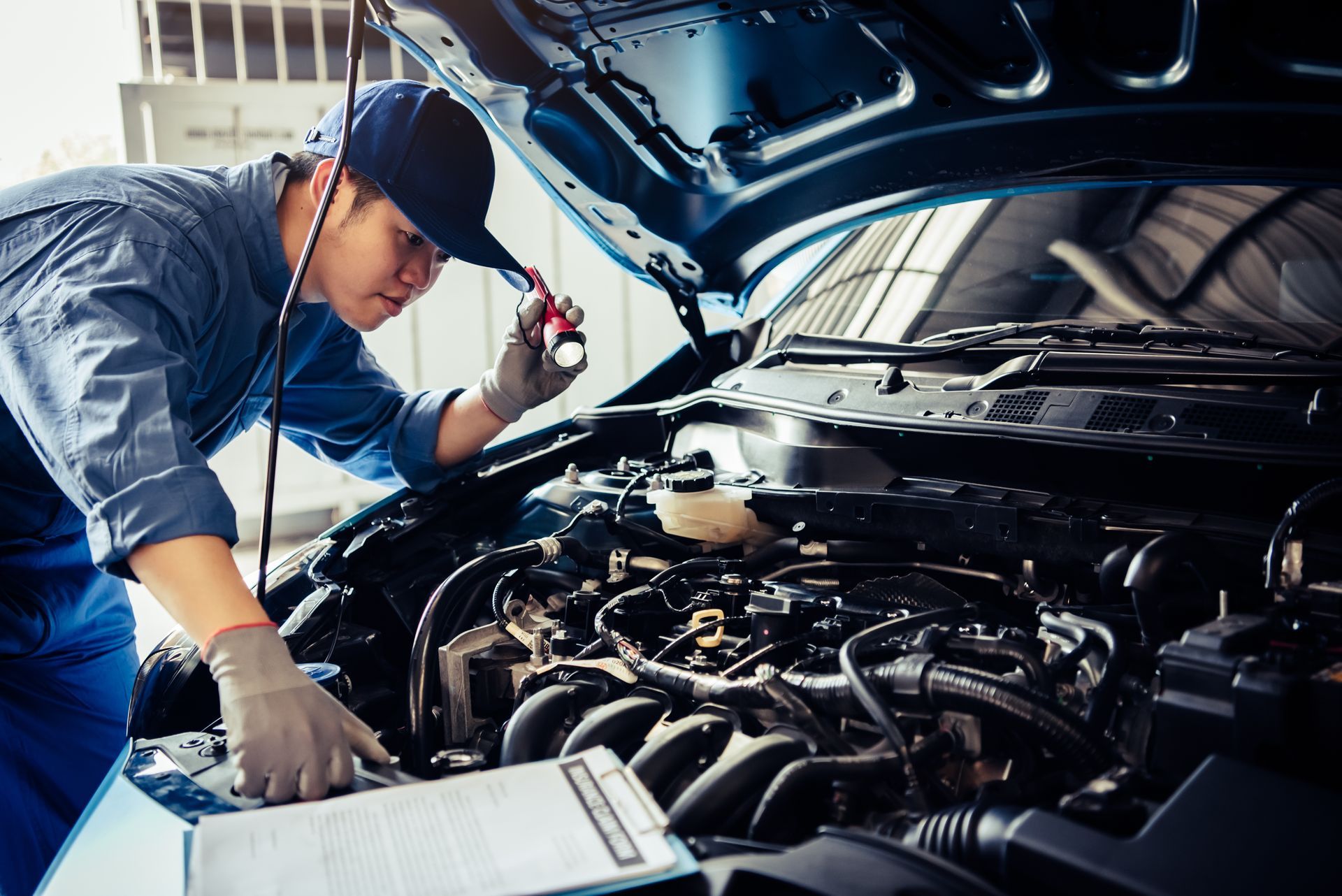
If the booster is working, the pedal should drop slightly as assist comes in. If it doesn't, that points toward an assist problem worth checking soon. Also look under the hood for cracked vacuum lines and listen for hissing near the pedal area. If you smell burning brakes or notice pulling, avoid long trips until it's looked at.
Get Brake Service In Lawrence, KS With GenAuto
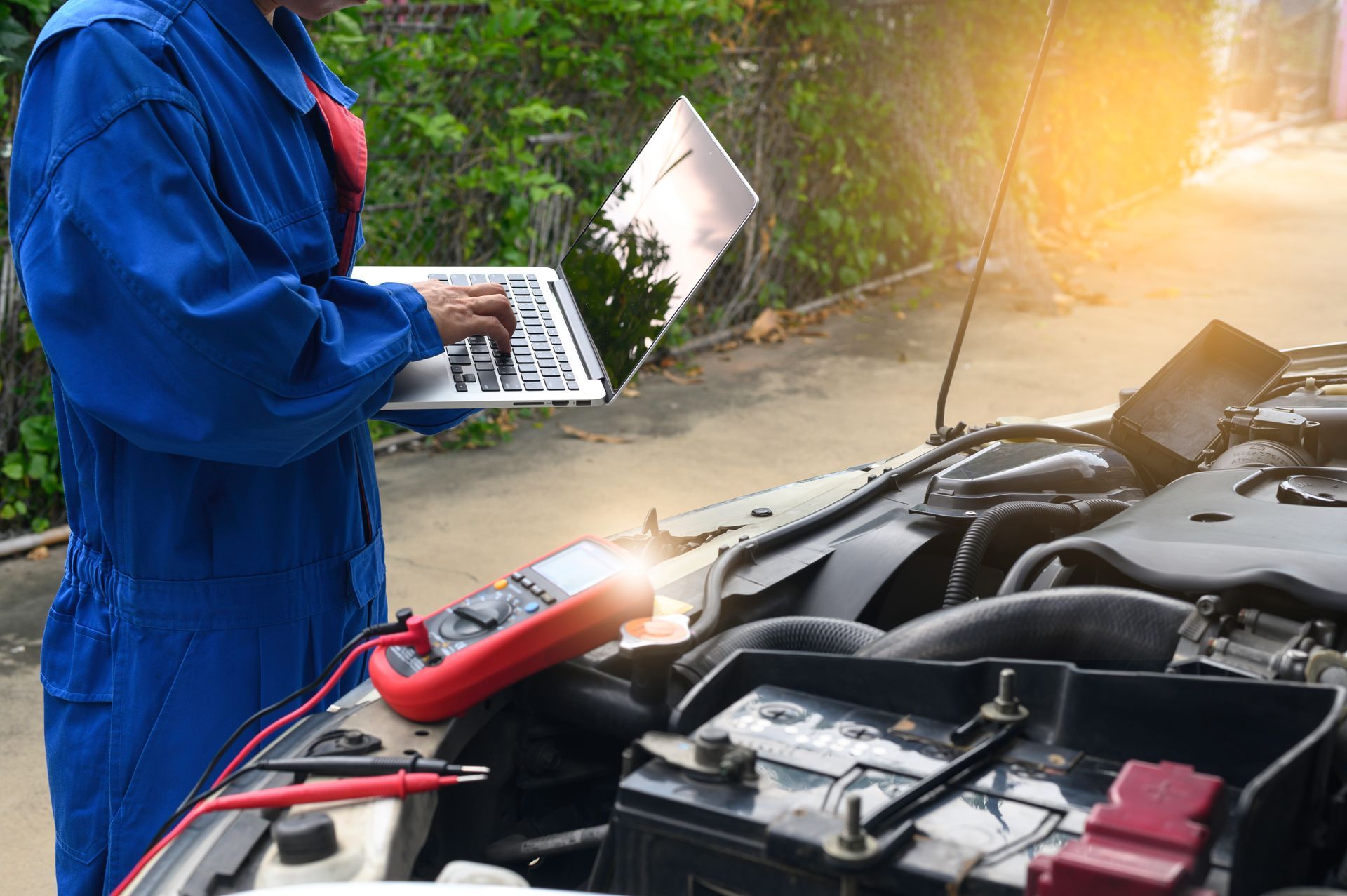
GenAuto can track down why your brake pedal feels hard in the morning and address the cause, whether it's a vacuum booster issue or brake drag. Our technicians will check the brake assist operation, brake hardware condition, and fluid health, then recommend the most sensible fix. Schedule an inspection so the first stop of the day doesn't feel like a surprise.
You should be able to brake with the same confidence every morning.