An exhaust smell inside the cabin is one of those things that can make you second-guess what you are noticing. It might show up only at stoplights, only on cold starts, or only with the windows cracked. Because it comes and goes, people often try to live with it for a while.
That is usually when it gets harder to ignore.
Why Does Exhaust Enters The Cabin
Exhaust should stay in the exhaust system and exit behind the vehicle. When fumes end up inside, it is usually because there is a leak and the airflow around the car is pulling those fumes toward an opening. Sometimes that opening is obvious, like a window or sunroof slightly open. Other times it is an air intake path you are not thinking about, like the HVAC fresh air intake near the base of the windshield.
The pattern can change depending on speed and wind. At idle, fumes can swirl and drift forward. At highway speed, airflow is stronger and can pull fumes into the cabin if there is a leak under the vehicle and a gap in the floor plugs or body seals.
The Safety Side Of Exhaust Fumes
Exhaust contains gases you do not want to breathe for long periods, especially in an enclosed space. The biggest concern is carbon monoxide, which has no smell, so the odor you notice is not a reliable measure of risk. That is why it is smart to treat any exhaust smell in the cabin as a real issue, even if you feel fine.
This does not mean every exhaust smell is an immediate emergency. It does mean you should not normalize it, and you should avoid long idles and closed-window driving until the source is confirmed. An inspection is the cleanest way to separate a minor leak from something that needs attention quickly.
Most Common Leak Points That Send Fumes Inside
Leaks near the front of the exhaust tend to cause cabin smells more often because they are closer to the engine bay and the HVAC intake area. A small crack in the exhaust manifold area can push fumes into the engine bay, and the cabin intake can draw them in, especially when the fan is on.
Leaks under the vehicle can also be pulled upward through body openings. Rusted pipes, failing gaskets, or a damaged flex pipe are common culprits. Flex pipes are especially prone to cracks because they move with the engine.
Even the rear of the vehicle can contribute. If you drive with the rear windows down or a hatch not sealing well, you can create a low-pressure area that pulls exhaust back into the cabin. That is why some drivers only notice the smell with certain window positions.
Fast Clues It’s Exhaust, Not Something Else
Exhaust odor can be confused with other smells, so it helps to narrow it down with a few quick observations. These are not perfect tests, but they can guide what you do next.
- The smell is strongest at stoplights or while idling
- The smell gets worse when you turn the heater or defrost on
- You notice a ticking sound on cold start that fades as it warms up
- The smell is stronger with windows cracked or the sunroof tilted open
- The odor is more noticeable after a hard acceleration or climbing a hill
If you also notice a new rattle under the car, that can point to a loose heat shield or an exhaust hanger issue. Those can be noisy, and they can also signal movement that stresses joints and gaskets.
What To Do Right Now If You Smell It While Driving
If the smell appears while you are driving, start with simple, safe steps. Switch the HVAC to recirculate so the system is not pulling outside air. Crack the windows for fresh airflow if needed, but avoid the rear windows down by themselves, since that can sometimes pull fumes in.
If you are in traffic or parked, avoid long idles. Exhaust can collect around the vehicle when it is not moving, especially in still air. If the smell becomes strong, you feel lightheaded, or you are riding with kids or pets, it is safer to end the drive and get it checked rather than pushing through.
How We Track Down The Source Without Guessing
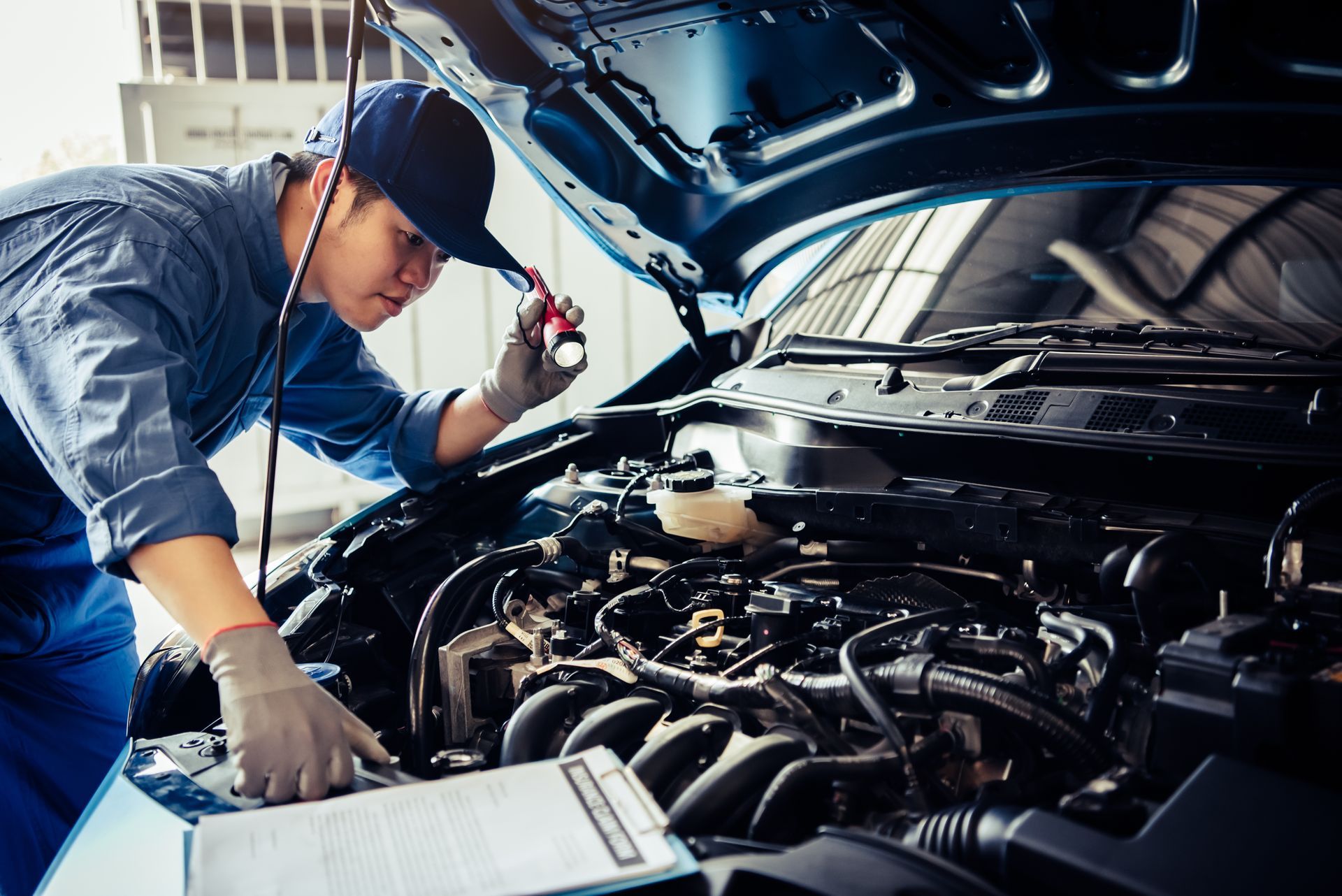
We start by locating where the leak is, not by guessing which part to replace. Our technicians listen for ticking and puffing sounds, check for soot trails, and inspect common leak points from the engine area to the tailpipe. We also pay attention to how airflow could be pulling fumes toward the cabin based on where the leak sits.
We see a lot of cases where the leak is small, but the cabin smell is strong because of how the air is moving around the vehicle. Fixing the right leak point usually resolves the smell quickly, and it helps protect other components that can be stressed by heat and vibration. Regular maintenance checks help too, because they catch small cracks and loose hangers before they turn into a cabin odor problem.
Get Exhaust Leak Inspection and Repair In Lawrence, KS With GenAuto
GenAuto in Lawrence, KS, can locate the leak, confirm how fumes are entering the cabin, and repair the exhaust system so the smell does not keep coming back.
Schedule a visit and get a clear answer instead of living with it.