Students are heading back to Lawrence, and that means summer driving routines are changing quickly. School drop-offs, college students returning to town, morning commutes, after-school activities, and heavier traffic can all mean more time behind the wheel.
For your vehicle, that can mean more starts and stops, longer idle times, more short trips, and more miles each week. If your car has been showing small warning signs during the summer, the return to a busier schedule is a good reason to address them now.
A vehicle that feels fine during occasional summer driving may respond differently once your daily routine becomes more demanding.
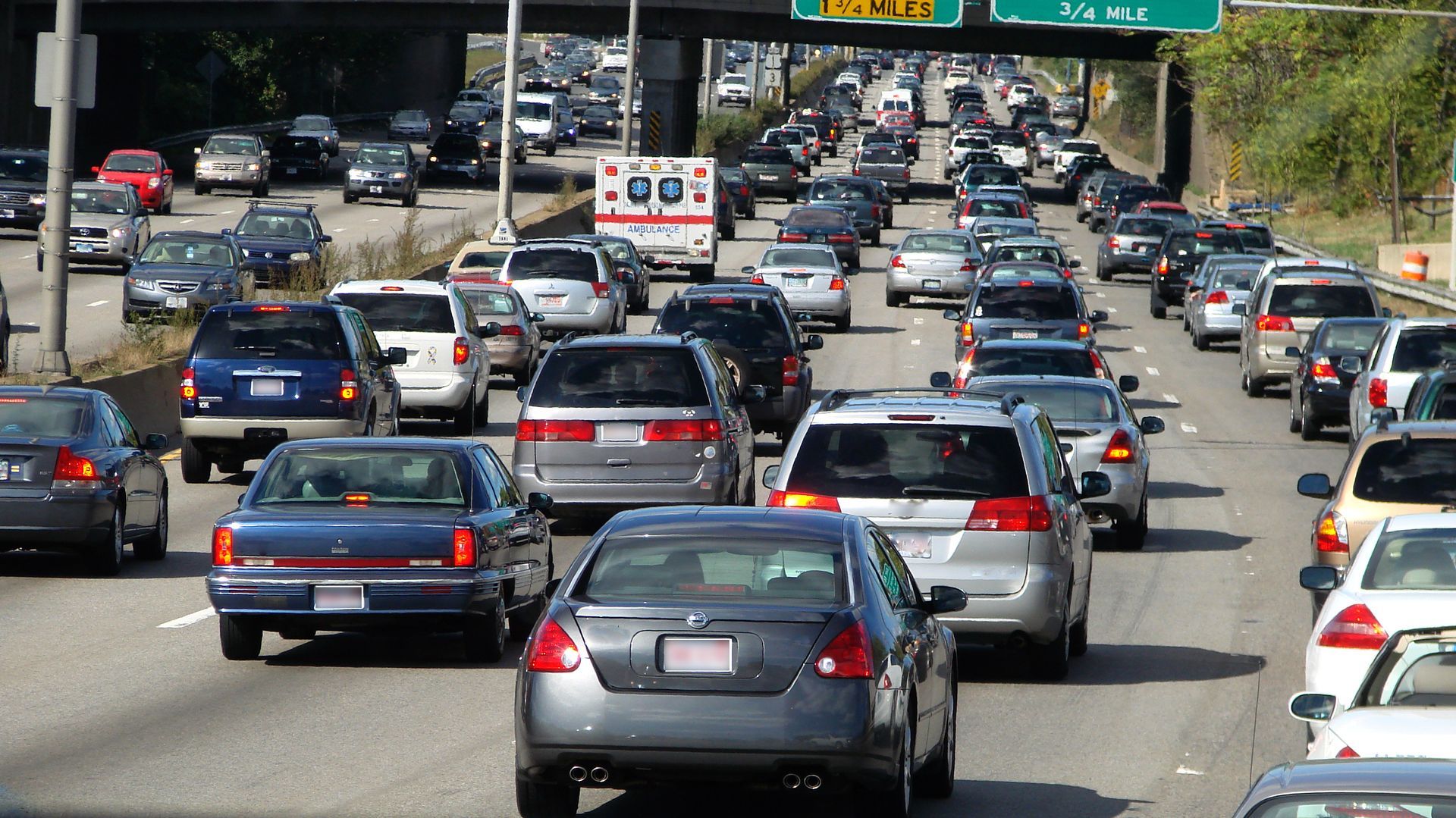
Back-to-School Traffic Means More Stop-and-Go Driving
Lawrence roads can get noticeably busier when students return. More vehicles on the road often means more braking, accelerating, idling, and short trips.
That extra stop-and-go driving can put additional wear on several parts of your vehicle, particularly the brakes, battery, cooling system, and transmission.
If you've noticed your brakes feeling different, your engine taking longer to start, or your vehicle behaving differently in traffic, don't wait until your schedule gets even busier. A quick visit to a local mechanic in Lawrence can help identify problems before they interfere with your daily routine.
Your Brakes Get a Workout During School Traffic
School zones and congested intersections mean frequent braking. While your braking system is designed to handle normal driving, worn brake components can become more noticeable when you're constantly stopping and starting.
Pay attention to signs such as:
- Squealing or grinding when braking
- Vibration in the steering wheel or brake pedal
- A brake pedal that feels soft
- Increased stopping distance
- A vehicle pulling while braking
These symptoms shouldn't be ignored. A professional brake inspection can help determine whether you need new brake pads, rotor service, or another repair.
Reliable brakes are especially important when you're sharing the road with school buses, pedestrians, cyclists, and other drivers.
Don't Ignore Your A/C Just Because Summer Is Ending
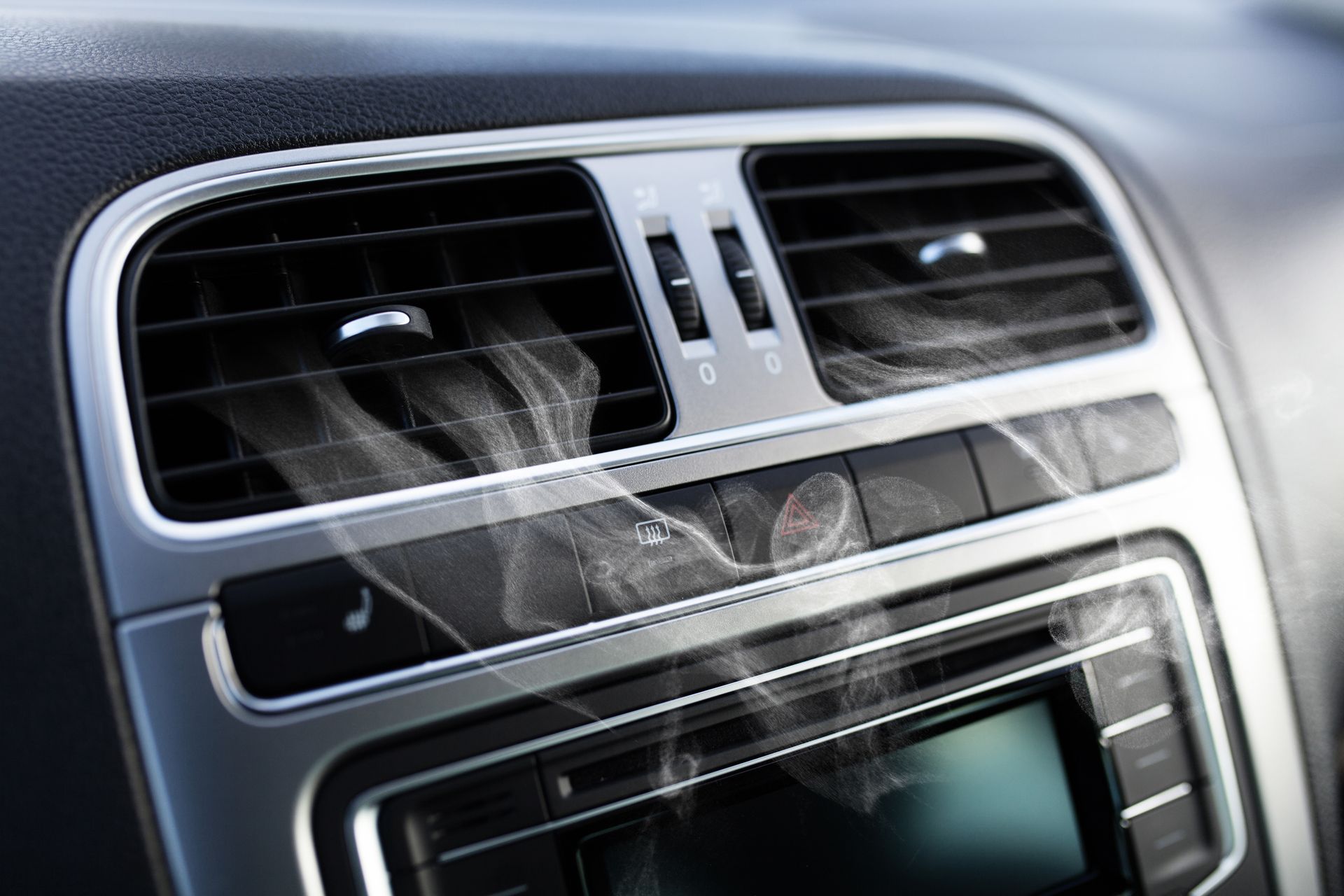
August and early fall in Kansas can still bring plenty of hot days. Your A/C may continue working hard during school drop-offs, commutes, and afternoon traffic.
If your A/C takes longer to cool the vehicle, blows warmer air than usual, or has weak airflow, now is a good time to have it checked. An issue that seems minor today can become a much bigger inconvenience when you're sitting in traffic on a hot afternoon.
Scheduling A/C repair before the system stops working completely can help keep your daily commute comfortable.
Short Trips Put Different Demands on Your Vehicle
Back-to-school schedules often create more short-distance driving. Maybe it's a quick trip to school, a stop at the grocery store, a pickup after practice, and then home.
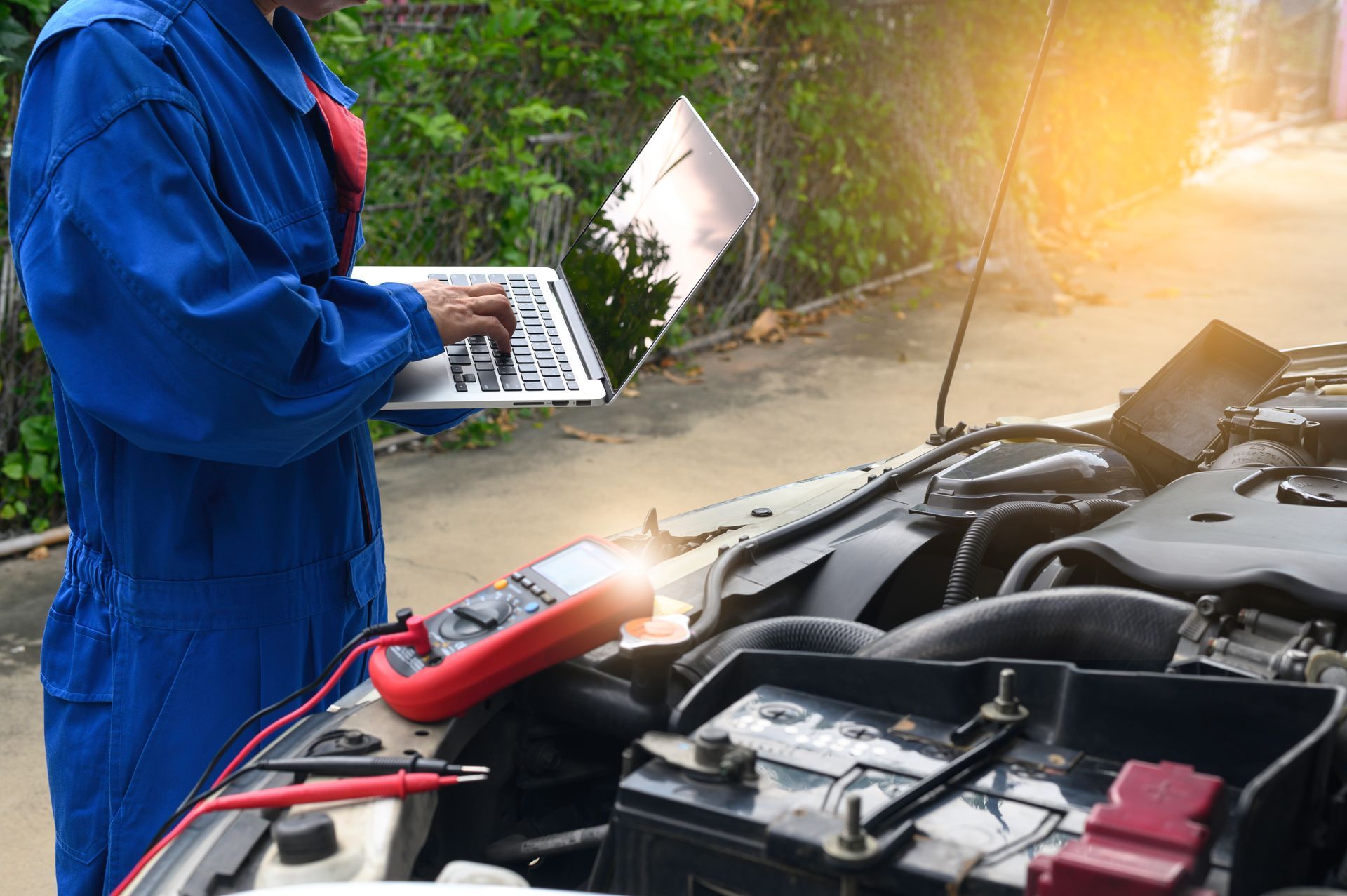
While short trips are convenient, they don't always give your vehicle enough time to fully warm up and operate at its ideal temperature. They can also put additional demands on your battery, which powers numerous electrical systems in addition to starting your vehicle.
If your vehicle has been slow to start, the lights seem weaker than usual, or your battery is getting older, consider having it tested before your schedule gets hectic.
Regular auto maintenance is especially important when your routine involves frequent short trips. If you're due for an oil change, it's also a good opportunity to have other important systems inspected.
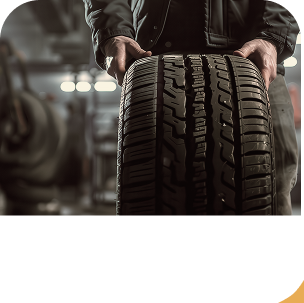
Tires and Alignment Matter in Busy Traffic
More driving means more tire wear. If your vehicle has been traveling on worn or improperly aligned tires, adding more miles to your weekly routine can accelerate the problem.
Watch for:
- Uneven tread wear
- A vehicle pulling to one side
- Steering wheel vibration
- An off-center steering wheel
- Tires that repeatedly lose pressure
These can be signs that your tires or alignment need attention. Routine tire service can identify wear and pressure issues, while an alignment can address problems that may affect handling and tire life.
Taking care of these issues now can help you avoid an unexpected tire problem during a busy school week.
Warning Lights Shouldn't Wait
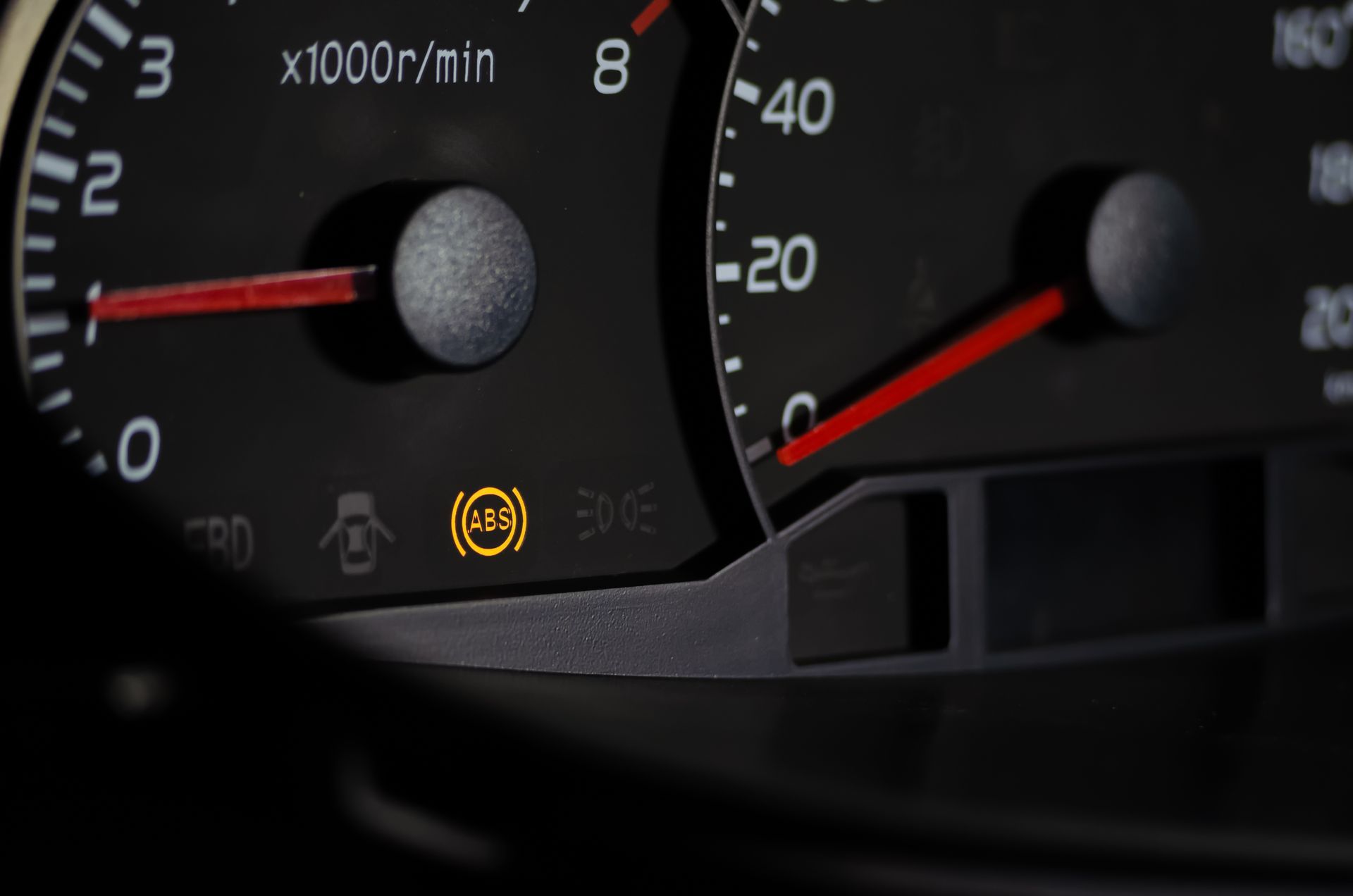
If your dashboard has been displaying a warning light, don't assume it will disappear on its own.
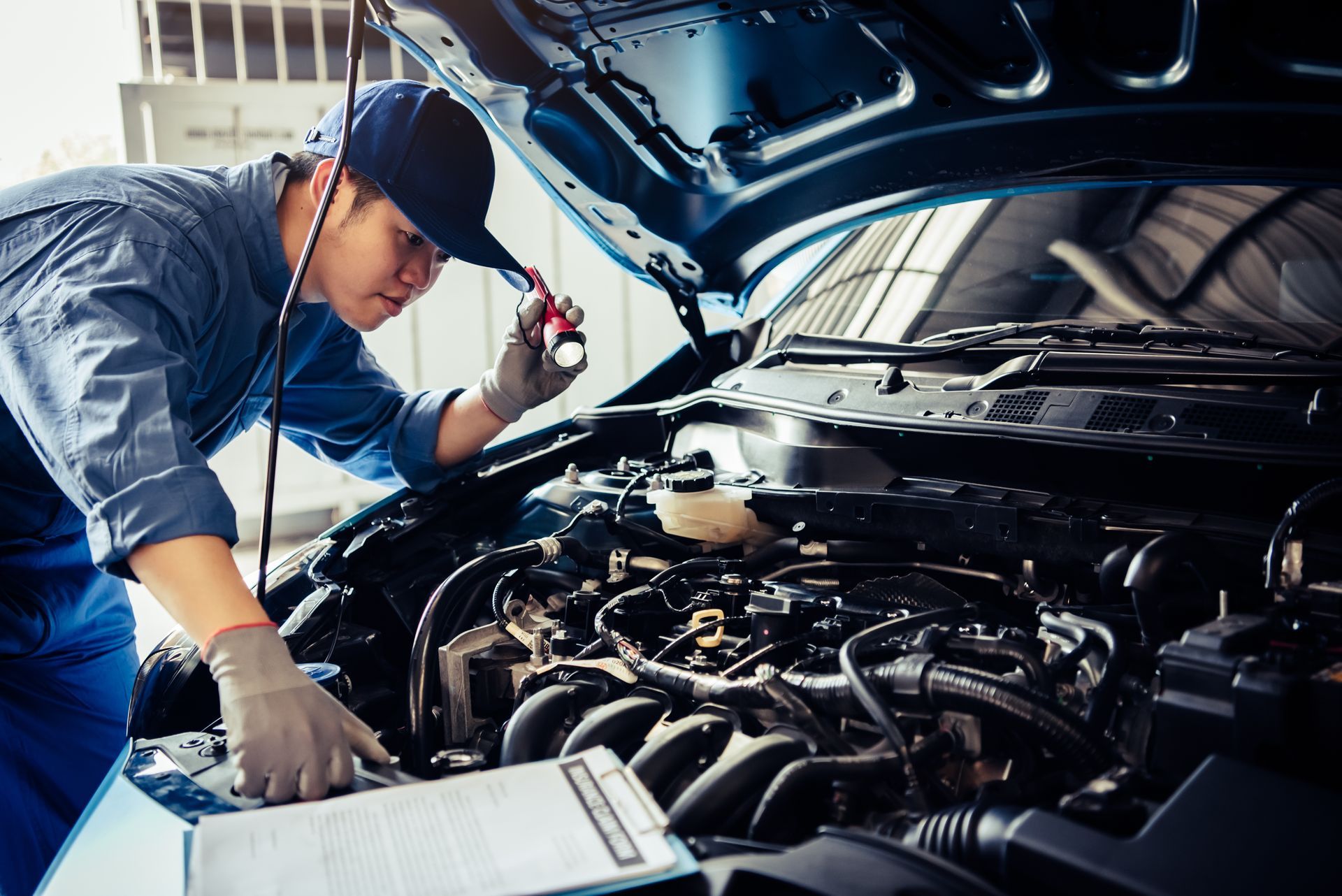
A check engine light may be caused by something relatively simple, but it can also indicate an issue that could become more serious if ignored. Professional engine diagnostics can determine what's causing the warning and whether immediate repair is necessary.
The same principle applies to unusual noises, vibrations, smells, or changes in how your vehicle drives. Small symptoms are often easier to address than major failures.
Get Ready for the Lawrence Back-to-School Rush
Before the school year gets fully underway, take a minute to think about how your vehicle has been performing.
Has it been starting normally? Are the brakes responsive? Is the A/C keeping up? Are your tires wearing evenly? Have you noticed a warning light or unusual noise?
If any of those questions raise a concern, now is a good time to have your vehicle inspected.
Back-to-school season brings busier roads, fuller schedules, more commuting, and more time spent in the car. Taking care of small maintenance and repair issues now can help prevent unexpected problems when you need your car the most.
Whether it's a brake concern, tire issue, A/C problem, warning light, or routine maintenance, a trusted Lawrence mechanic can help make sure your vehicle is ready for the increased demands of the school-year routine.
A little preparation today can mean fewer surprises tomorrow and a smoother start to the school year.
Should I have my car checked before school starts?
Yes. A seasonal inspection can help identify problems with your brakes, tires, battery, A/C, fluids, and other important systems before your driving schedule becomes busier.
Does back-to-school traffic cause more wear on a car?
Stop-and-go traffic can increase the use of your brakes and place additional demands on your vehicle's cooling, electrical, and transmission systems.
Why should I check my tires before school starts?
More daily driving means more tire wear. Checking tire pressure, tread condition, and alignment can help improve safety and extend tire life.
What should I do if my check engine light comes on?
Don't ignore it. Engine diagnostics can identify the cause of the warning and determine whether repairs are needed.
How can I prepare my car for a busier school-year schedule?
Start with basic auto maintenance, including checking your tires, brakes, battery, fluids, A/C, and any warning lights before your routine gets busier.