The positive crankcase ventilation system, commonly called the PCV system, removes pressure and fuel vapors from inside the engine. It routes those vapors back into the intake so they can be burned instead of released into the atmosphere.
A PCV valve that sticks open or closed can affect idle quality, oil consumption, engine seals, fuel control, and emissions performance. The symptoms vary because a stuck-open valve creates excessive airflow into the intake, while a stuck-closed valve allows pressure to build inside the crankcase.
How The PCV System Works
Combustion pressure does not remain entirely above the pistons. A small amount passes the piston rings and enters the crankcase. This blow-by contains fuel vapor, moisture, combustion gases, and other contaminants that should not remain trapped inside the engine.
The PCV system uses an intake vacuum to pull those vapors from the crankcase. Fresh filtered air enters through a separate breather passage, moves through the engine, and carries vapors toward the PCV valve. The valve regulates flow according to engine load and intake vacuum.
At idle, intake vacuum is high, so the valve limits flow to prevent too much air from entering. During acceleration, vacuum falls, and the valve allows greater vapor movement. Turbocharged engines may use check valves, oil separators, diaphragms, and several passages instead of one simple replaceable valve.
What Happens When The PCV Valve Sticks Open?
A valve stuck open creates an uncontrolled path between the crankcase and intake manifold. The engine may pull in more air than the control system expects, producing symptoms similar to a vacuum leak.
Idle quality often suffers first because the engine is most sensitive to unmeasured airflow when the throttle is nearly closed. Drivers may notice shaking, surging, stalling, or an idle speed that remains too high. The engine computer may also add fuel in an attempt to correct a lean air-fuel mixture.
Common stuck-open symptoms include:
- Rough or unstable idling
- Whistling or hissing noises
- Stalling when stopping
- Lean fuel-control faults
- Hard starting
- Increased oil consumption
- Oil pulled into the intake
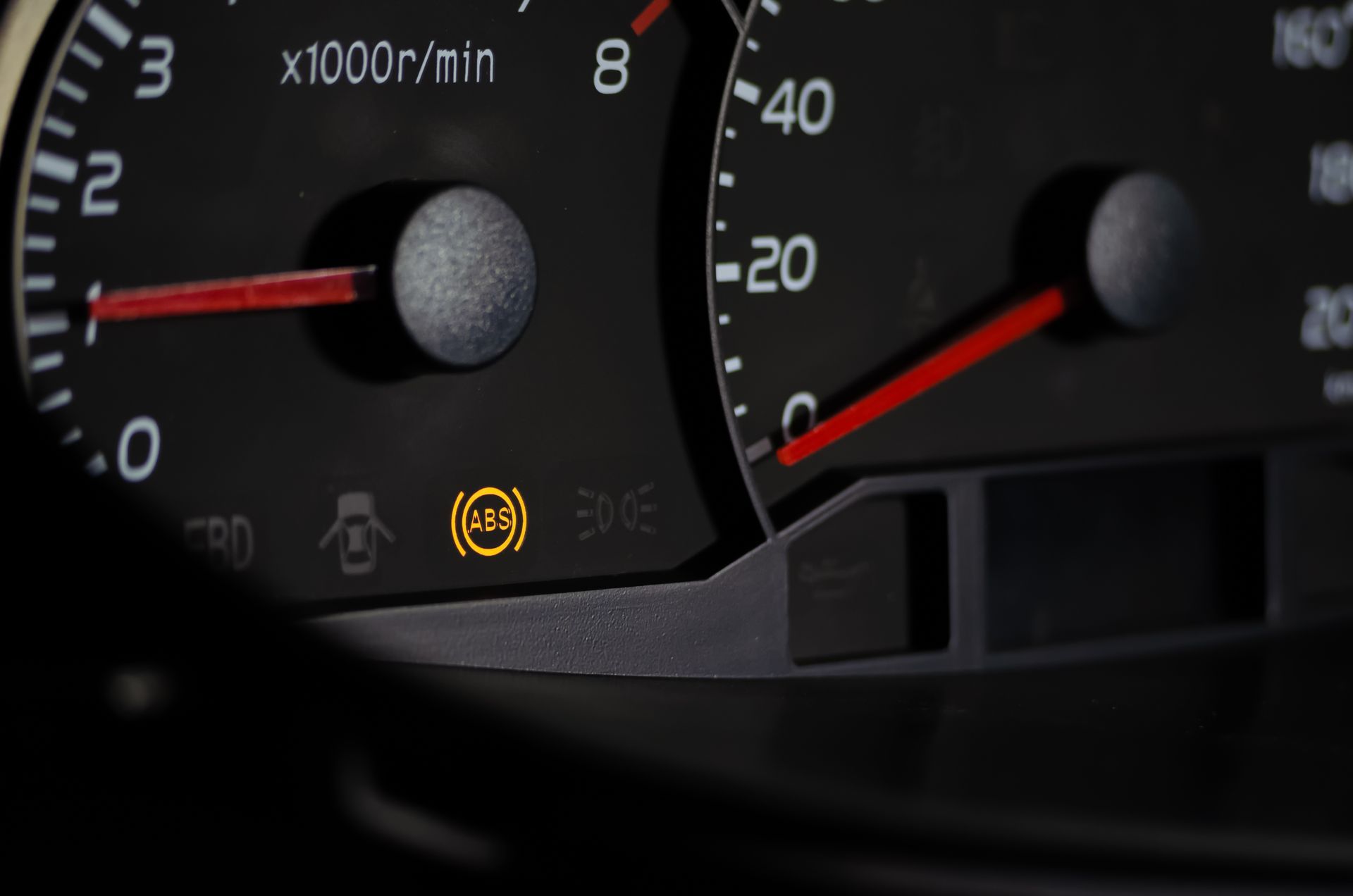
- A check engine warning light
A torn diaphragm inside an integrated PCV assembly can create the same condition. Some engines develop a strong whistle because air is being pulled through a damaged seal or valve cover passage.
What Happens When The PCV Valve Sticks Closed?
A valve stuck closed prevents crankcase vapors from leaving at the intended rate. Pressure then builds inside the engine, especially during acceleration when blow-by increases.
Excess pressure searches for another exit. Oil may begin leaking past valve cover gaskets, crankshaft seals, timing covers, oil pan seals, or other weak points. A dipstick may lift from its tube, and oil can be pushed into the air intake through the breather system.
A restricted PCV system can also leave moisture and fuel vapors trapped in the oil. Over time, contamination contributes to sludge, corrosion, and reduced oil protection. Short-trip vehicles are especially vulnerable because the engine may not remain hot long enough to evaporate accumulated moisture.
Oil Consumption And Intake Deposits
PCV faults can increase oil consumption in more than one way. Excessive intake vacuum may pull oil mist directly from the crankcase, while high crankcase pressure may force oil through seals or into the breather path.
Oil entering the intake can coat the throttle body, intake manifold, turbocharger plumbing, intercooler, and intake valves. On direct-injection engines, oil vapor contributes to carbon deposits because gasoline does not pass over the backs of the intake valves.
Blue exhaust smoke, oily intake hoses, fouled spark plugs, or repeated low oil levels may be related to the PCV system, but they can also result from worn piston rings, valve seals, turbocharger faults, or external leaks. Testing must identify where the oil is going before a repair is recommended.
How A PCV Problem Is Confirmed
Technicians begin by checking fault information, fuel corrections, idle behavior, crankcase pressure, and visible oil leakage. The valve, hoses, breather passages, diaphragms, and oil separator are inspected for restriction, damage, and incorrect airflow.
Testing may include measuring crankcase vacuum with the engine running, checking whether the valve seals in the correct direction, and using smoke to locate air leaks. On electronically monitored systems, scan data can show how the engine responds when the PCV circuit is isolated.
A failed PCV component should be distinguished from intake gasket leaks, purge valve faults, worn engine mounts, ignition misfires, and low compression. These problems can create similar rough-idle symptoms but require completely different repairs.
When PCV Service Is Needed
Some vehicles list a specific PCV valve replacement interval, while others call for replacement only when testing confirms a fault. Integrated valve covers and oil separator assemblies may not have a separate serviceable valve.
Regular maintenance should include checking PCV hoses for cracking, softening, collapse, oil saturation, and loose connections. An inspection is especially important when the engine develops new oil leaks, whistling, rough idling, or unexplained oil consumption.
Replacing the valve alone will not correct blocked passages, damaged hoses, a torn diaphragm, or sludge inside the system. The complete crankcase ventilation path must operate correctly from the fresh-air inlet to the intake connection.
Why PCV Faults Should Not Be Ignored
A PCV problem can begin as an idle complaint and progress into leaking seals, contaminated oil, intake deposits, or catalytic converter damage from excessive oil burning. Turbocharged engines may also develop pressure and oil-control problems when check valves fail.
Early service is usually more focused than repairing the secondary damage. Correct crankcase pressure protects gaskets, supports oil quality, and allows the engine control system to maintain accurate airflow and fuel delivery.
Get PCV Valve Service At Two Lawrence, KS, Locations With GenAuto
GenAuto serves drivers from two locations in Lawrence, KS. Our technicians can test crankcase pressure, PCV valves, diaphragms, oil separators, hoses, intake leaks, and related fuel-control concerns.